.png)

Subscribe to newsletter
Subscribe to receive the latest blog posts to your inbox every week.

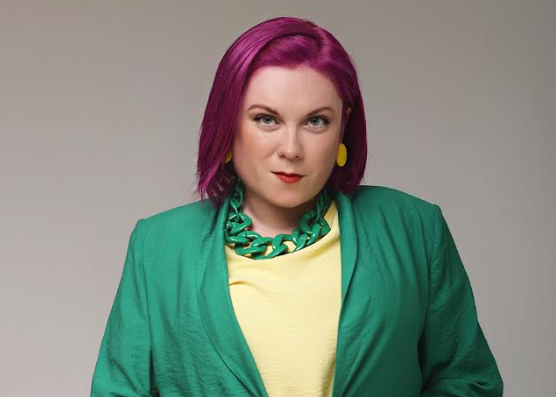
If you’ve ever wondered how the future of customer communication is being shaped, look no further than Mila Budylo. With over 15 years of experience designing communication strategies, and now driving CPaaS innovation at BSG, Mila has seen firsthand how messaging has evolved from simple SMS blasts to rich, AI-powered conversations across channels like WhatsApp, RCS, Telegram, and beyond.
In this candid conversation, Mila shares why messaging remains the most intimate and powerful channel in a crowded digital world, how businesses can move from “automation” to true human–AI partnerships, and why thinking less about technology, and more about people is the key to future-proofing your customer experience.
From her leadership philosophy (openness + courage) to her playful takes in our rapid-fire round (including how she’d text an alien), Mila offers both strategic insight and a human touch. Whether you’re a marketer or technologist this interview will leave you rethinking what “engagement” really means in 2025 and beyond. Ready to dive in? Let’s get into her insights.
The biggest shift I’ve seen is that businesses no longer want to just send SMS - they want to engage customers in a way that feels natural. Personalized communication has become essential. 5 years ago it was enough to send a short text message. Today, customers expect to choose from multiple channels - whether it’s WhatsApp, RCS, Viber, Telegram, or traditional SMS.
And of course, AI has become the big buzzword. Every business wants to use it in their communication, even if they don’t always understand how it can truly help and what it is. What matters is the desire to stay modern.
Messaging is powerful because it’s direct and personal. Unlike most digital marketing, which often feels annoying, a message reaches people where their attention already is - on their phone. It’s an intimate channel: people usually read messages within minutes, and they rarely ignore them. That’s why I believe messaging remains the backbone of effective customer engagement.
The real potential of AI is to make conversations better and easier, not just to make them cheaper. AI can analyze context, sentiment, and intent in real time - helping businesses respond in ways that are more relevant and personalized.
At the same time, believing that AI is a magic pill for your business is a mistake. AI makes errors too often when people are excluded from the process, which is why it must be a true human–AI partnership. And when that partnership is in place, it can drive real success.
A seamless customer journey means the client feels that everything happens in one flow. For example, they can start with a call with an AI assistant, continue via SMS, and then get support through WhatsApp. They don’t need to repeat their information or explain their needs again when chatting with the company representative.
The most common mistake brands make is thinking that “omnichannel” means using as many channels as possible. In reality, it’s not about the number of channels, but about how well they are connected. Another mistake is forgetting the basics: respecting the customer’s time and privacy. Without that, even the best communication strategy will fail.
For me, efficiency means making sure the message is delivered quickly, securely, and at the right time. But the real value lies in keeping it personal. Without that human touch, even the most efficient communication flow won’t build trust.
There are still around 20% of phones in the world that can’t support rich messaging - but they can always receive an SMS. And unlike RCS, WhatsApp, or Viber, SMS doesn’t require internet: it works almost anywhere, anytime. That’s why I believe SMS will remain strong for transactional use cases, while richer formats like RCS will grow in parallel for more engaging conversations.
I would say - stop thinking about channels, stop thinking about AI, and start thinking about people. Customers don’t care if it’s SMS, Telegram, or RCS - they just want fast, clear, and personal, human-like communication. If you put the customer first and connect the tools around them, your strategy will always be future-proof.
Thank you so much for the congratulations! I also want to take this opportunity to thank the BSG team, because no award would be possible without them. For me, the most important qualities today are openness and courage: being open to new ideas and people, and brave enough to take risks and make decisions quickly. I believe a good leader should inspire their team to try, learn, and keep moving forward.
By 2030, I hope customer communication will feel fully natural - like talking to a friend. It should be smart, fast, and personal, but also safe and trusted. Companies like BSG will play a role in making all the technology behind it invisible, so businesses can focus on people, and customers can just enjoy the conversation.

Definitely a personal assistant - but with a sense of humor!
“Seamless.” (yes, I said it 😅)
Driving alone in my Beetle somewhere in the mountains.
Error 404
I’d probably open a kiosk with the world’s tastiest hot dogs.🌭
“Welcome - don’t kill me! I’ll help deliver your message to the other humans.” 📱👽
(Thank you, Mila, for sharing your insights on the evolution of customer communication and the future of messaging. Your perspective on human–AI collaboration and omnichannel strategy offer valuable guidance for anyone navigating this fast-changing industry. We appreciate your time and thoughtful reflections on what it truly means to keep conversations personal in a digital world.)
BSG at a Glance:
BSG is an AI-powered Communication Platform as a Service (CPaaS) that helps businesses connect with customers across multiple channels through one unified platform. Its cloud-based solutions enable real-time, personalized engagement via AI Voice, Bulk SMS, Viber Bulk Messaging, and Rich Communication Services (RCS), supported by tools like Short URL, Callback Widget, and Number Verifier.


Subscribe to receive the latest blog posts to your inbox every week.

We respond with 10 support messages to every support email – our customers love it.

Greg Royse
CEO, Tidy

“We were missing 58% of incoming calls. Now we answer 80% + of all incoming enquiries.”
Ajaz Elahi
Director, Sinspeed

“This product is AMAZING and is changing my business. It reaches clients 100x better than email.”

Michael Goldenberg
President, DebtCare Canada

“Conversational Messaging capabilities of SMS-Magic are among the best in the industry and offers security and reliability for SMBs to Large Enterprise Customers.”

Stan Petit
API Senior Partner Sales Manager, Vonage

SMS-Magic is a simple, powerful, SMS solution for Salesforce that has become integral to our day-to-day operations.
Martin McCauley
Director of Patient Services, BioSpine Institute

“If our loan applicants did not receive timely SMS-Magic text messages, we wouldn’t be funding loans & we would lose customers.”

David Ross
Head of IT, Upstart

“Having full-context conversation history from SMS-Magic helps us understand what has been sent to the customer across different departments and if those messages have been opened.”

Camilla Mills
Marketing Campaigns Manager, DaySmart

We average a 59% response rate from clients to text message surveys.

Craig Garber
CFO, LifeMoves

.png)