.png)

Subscribe to newsletter
Subscribe to receive the latest blog posts to your inbox every week.

In 2025, customer conversations became a core operational system, not a supporting channel.
Across industries, teams faced the same pressures:
The gap was not feature depth. It was operational continuity starting conversations cleanly, managing them at scale, and closing the loop without loss of context, control, or compliance.
Conversive’s 2025 roadmap focused on closing that gap.
What we shipped this year reflects a clear shift: from enabling messages to running conversations as a system.
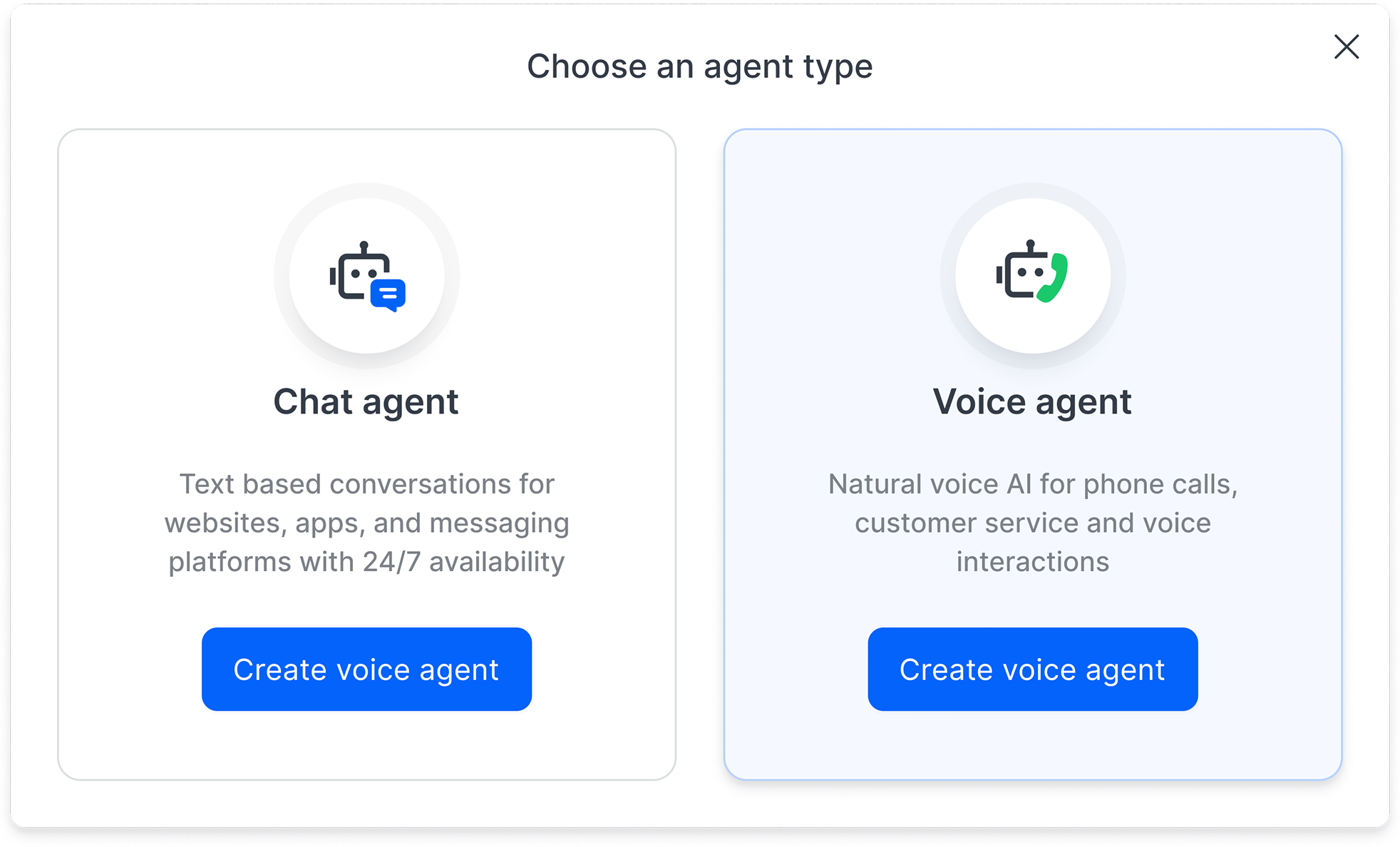
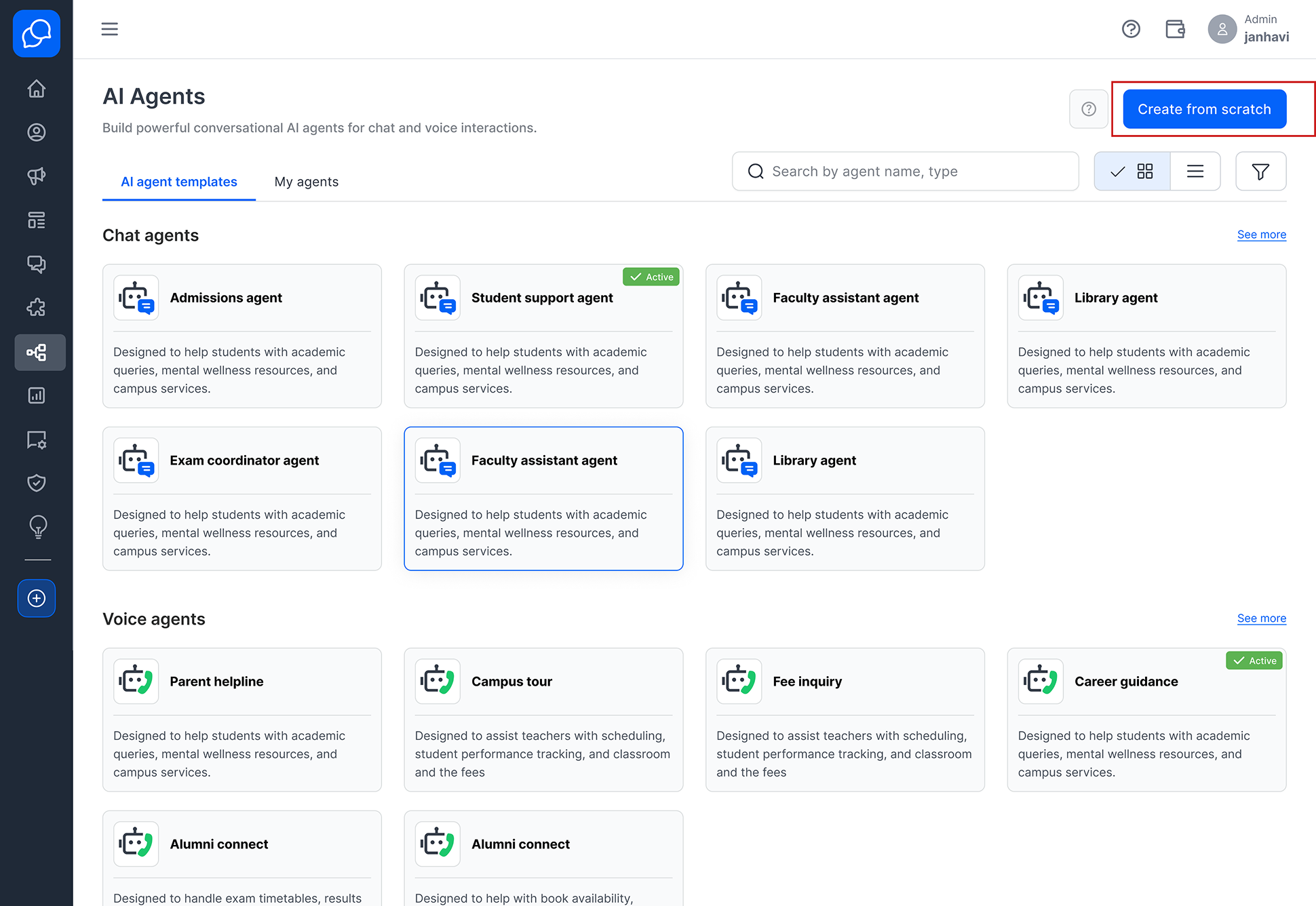
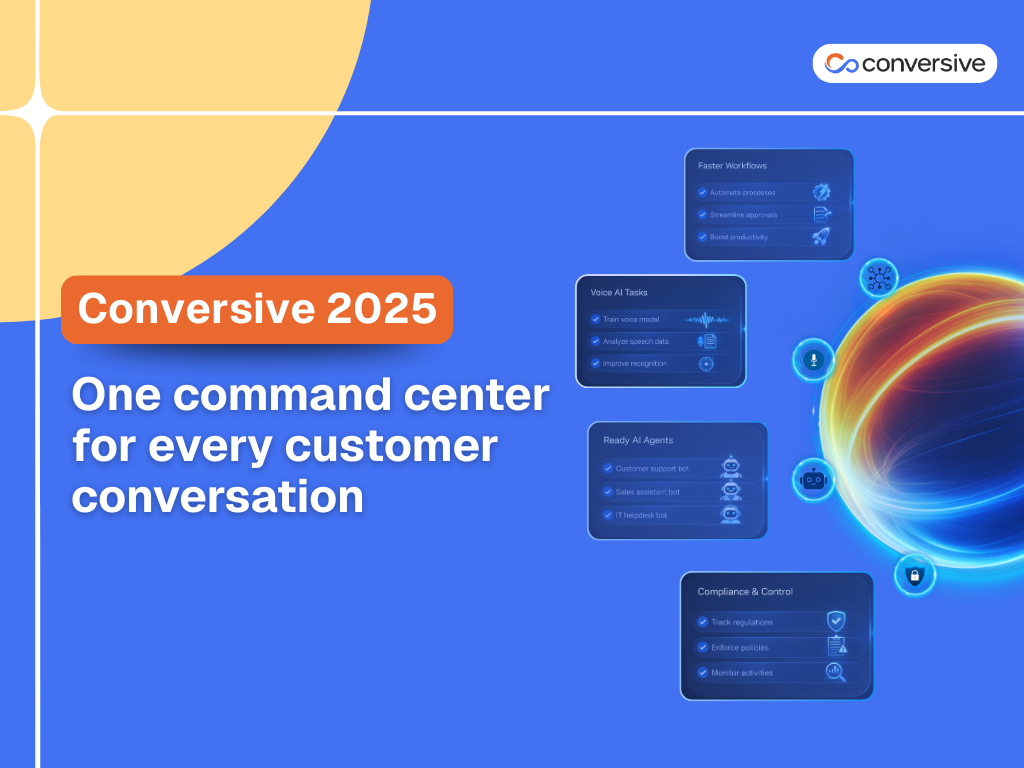
Conversive expanded Conversational AI from a channel capability into an end-to-end operating layer across Voice + Chat to help resolve queries faster, offer more consistent experiences at scale, and a clearer way to run, and govern AI interactions in production.
Handle calls alongside SMS/WhatsApp/chat, with transcripts and AI summaries that keep follow-ups quick and context-rich.
Deploy purpose-built agents for common use cases to standardize journeys and scale quickly without heavy setup.
Configure voice and chat agent behavior, tone, escalation, and knowledge, then test and iterate in-platform before going live.
Make agents CRM-aware so they can fetch relevant context in real time and create/update records (including auto-creating leads for net-new users).
Run calling campaigns with consent, scheduling, and cadence controls built in for responsible scale.
Quality, visibility, and cost clarity via recordings/transcripts/summaries, handoff visibility, test suites, and usage-based billing transparency.
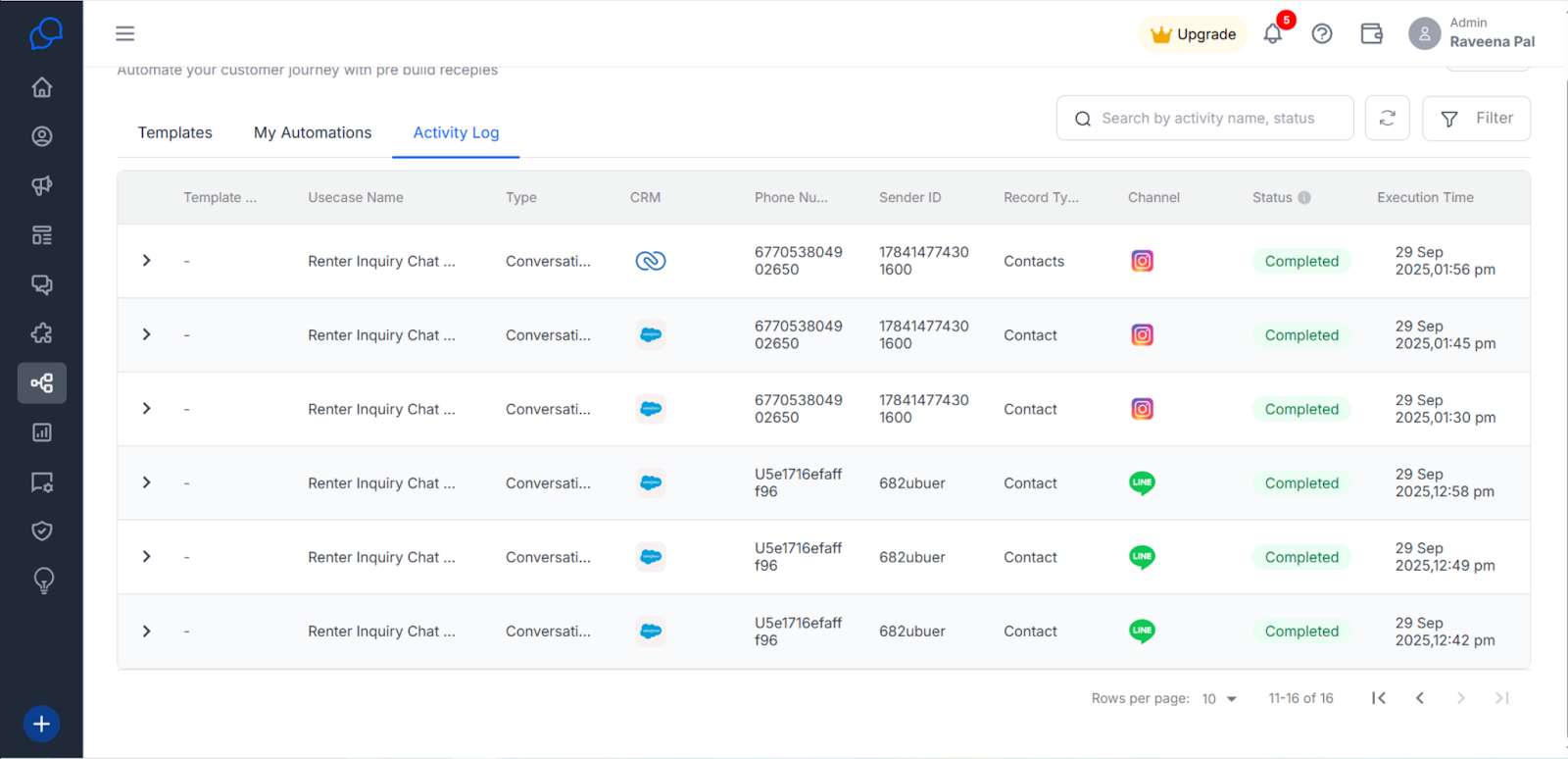
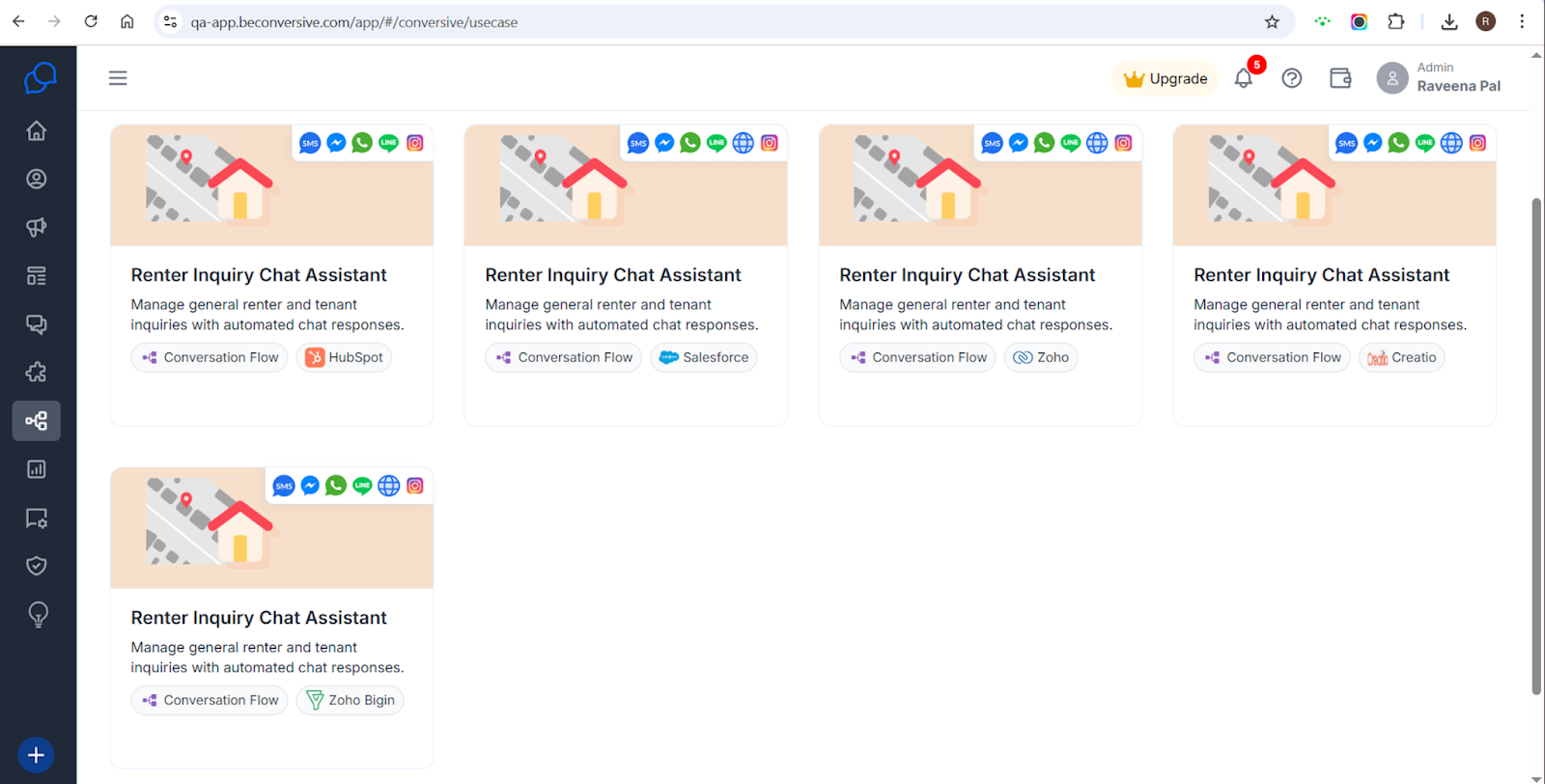
Customers now engage across rich messaging and social DMs as often as they do SMS. Conversive expanded omnichannel coverage so teams can add channels while keeping conversations unified, governed, and CRM-connected—without losing context or operational control.
Two-way RCS with rich templates (media, carousels, buttons) that can be used consistently across Desk, Campaigns, and Automation.
Orchestrate Instagram/Facebook conversations with CRM sync, identity mapping, and clean agent handoff so DMs don’t become a dead-end.
Bring Facebook messages into Converse Desk alongside SMS/WhatsApp/webchat to reduce tab-switching and missed replies.
Easier and safer connectivity, stronger campaign/template support, and better CRM mapping so LINE interactions are fully usable downstream.
Capture customer-shared locations and map links directly in the thread, with an embedded map for faster action in delivery, on-site support, and scheduling workflows.
Enrichment and timeline continuity (including HubSpot enrichment from LINE conversations) to improve follow-through and measurement.
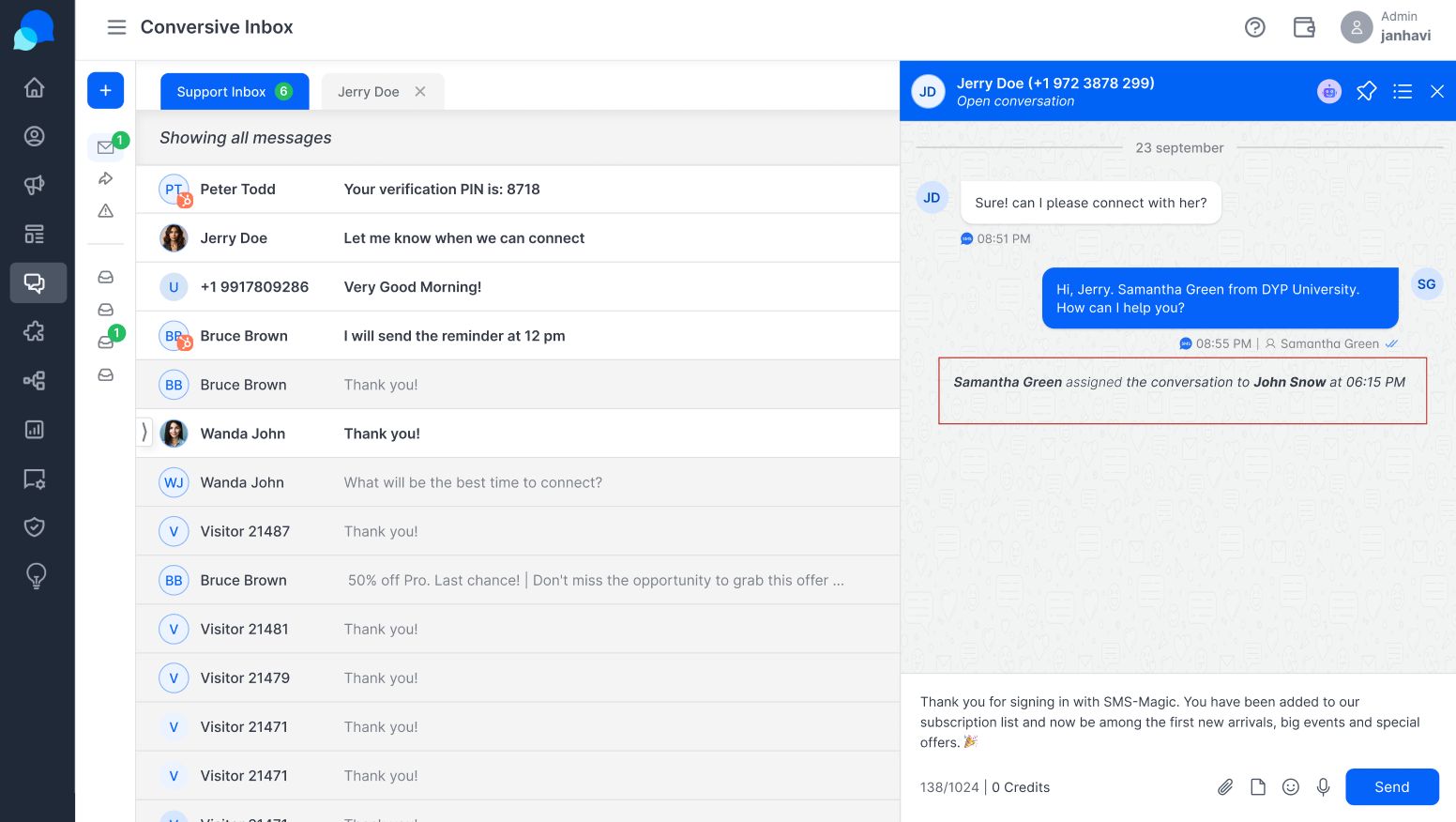
More channels and automations create more inbound—and more risk of missed conversations. Conversive strengthened service ops so every inbound is owned, measured, and escalated with clear queue-level discipline.
Automatically direct conversations from any source (campaigns, bots, automations, manual) into the right queue plus a default catch-all so nothing slips through.
Define SLAs for assignment, first response, subsequent responses, and resolution tailored per queue, not one-size-fits-all.
Role-based alerts across in-app, email, and mobile so supervisors and agents can intervene before customer experience degrades.
Apply the same operational standards regardless of where the conversation started, keeping performance measurable and repeatable.
Quickly find conversations by number or customer name without scrolling long lists, and without losing your current queue view.
Instant alerts for new messages and assignments (with previews, contact details, and timestamps) in one feed so agents can act without tab switching. Mark as read individually or in bulk.
More teams can collaborate in one thread—multiple agents can view, reply, and manage customer conversations together for faster, more consistent responses.
Keep multiple stakeholders aligned in one thread for workflows like admissions, care coordination, deal progress, or field service. Start groups with the right participants, keep them updated as things change, and enforce consent-first, role-based access
Message details now open in a side panel so the main list stays visible and you can move between messages quickly. Recipient names are clearer, and media loads without blocking the rest of the details.
As messaging scales in regulated environments, the bar for privacy, consent, and auditability rises. Conversive strengthened cross-channel controls so teams can move fast while staying defensible.
Regex-based masking with encrypted storage, role-based recovery controls, and a full audit trail so you stay audit-ready without breaking conversation continuity.
Authorized users can view sensitive content in real time while maintaining clarity on what the customer actually received (masked vs unmasked).
Automatically block messages to opted-out recipients with clear in-UI alerts to prevent risky outreach.
Centralize “where we can message,” with admin-only state toggles, auto-block restricted states, and logged actions (including blocked sends) for compliance reviews and audits.
Optional architecture control to avoid duplicate consent checks reducing friction without weakening safeguards.
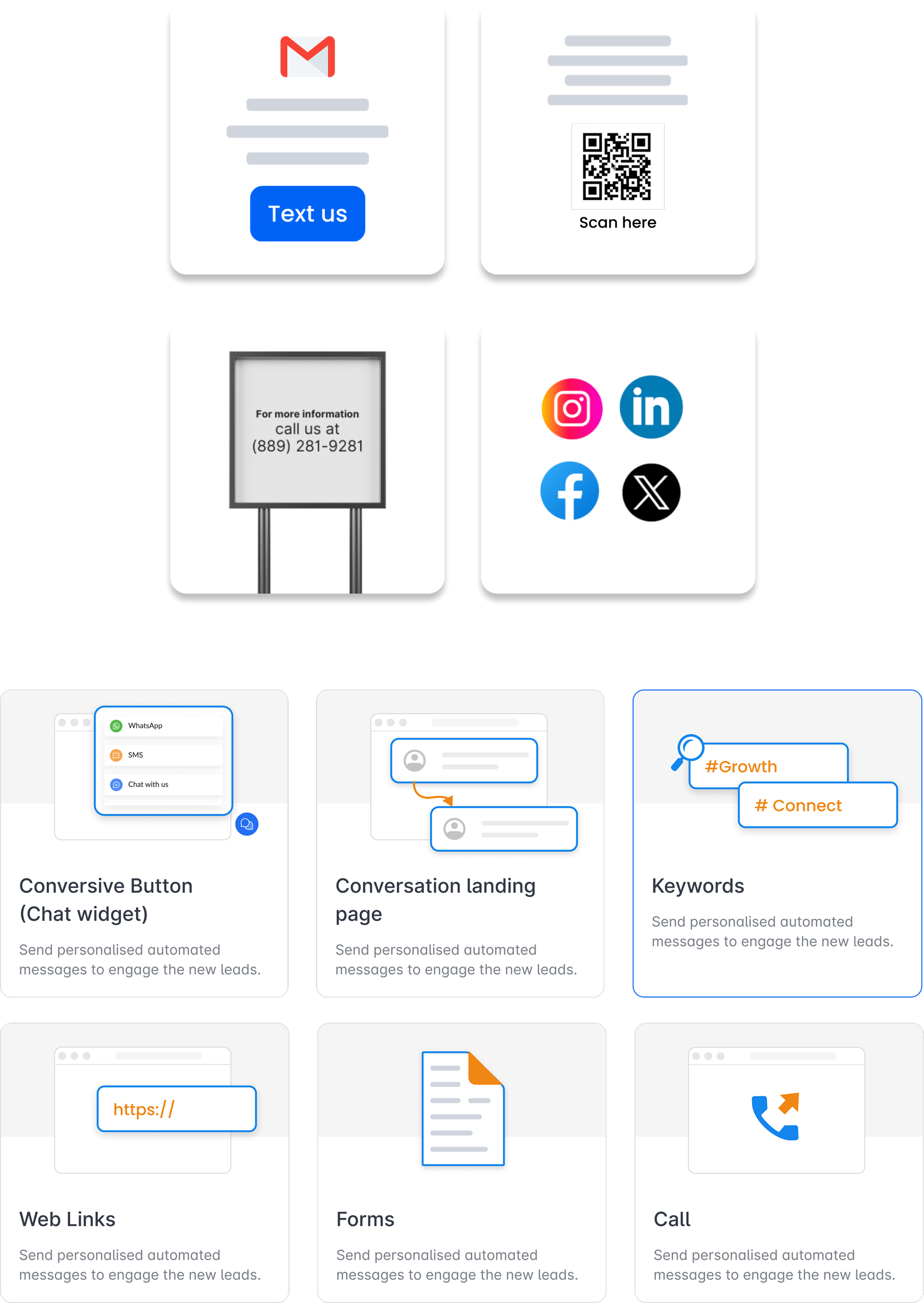
Conversive reduced friction across the campaign lifecycle: capture leads the moment intent spikes, collect the right inputs faster, and run outreach with stronger controls and governance.
Keyword + QR-based inbound journeys that turn any channel (ads/social/print) into a live thread, with auto-created and tagged contacts and workflow triggers.
File upload on inbound landing pages so customers can submit IDs/forms/docs (PDF/DOCX/JPG up to 5MB) without back-and-forth.
Campaign review workflows with comments, email alerts, audit logs, and configurable approvals plus smarter handling for holidays in recurring sends (send/skip/reschedule).
Pause, resume, or abort campaigns across broadcast, recurring, and slow-paced sends to manage risk and timing in real time.
Personalize at scale with custom merge fields and drive action with more interactive SmartPing flows (up to 10 buttons) to reduce customer effort.
Define weekly operating hours (including split shifts and overnight coverage), maintain holiday calendars, and apply time zone-aware delivery so campaigns send when customers are most likely to engage.
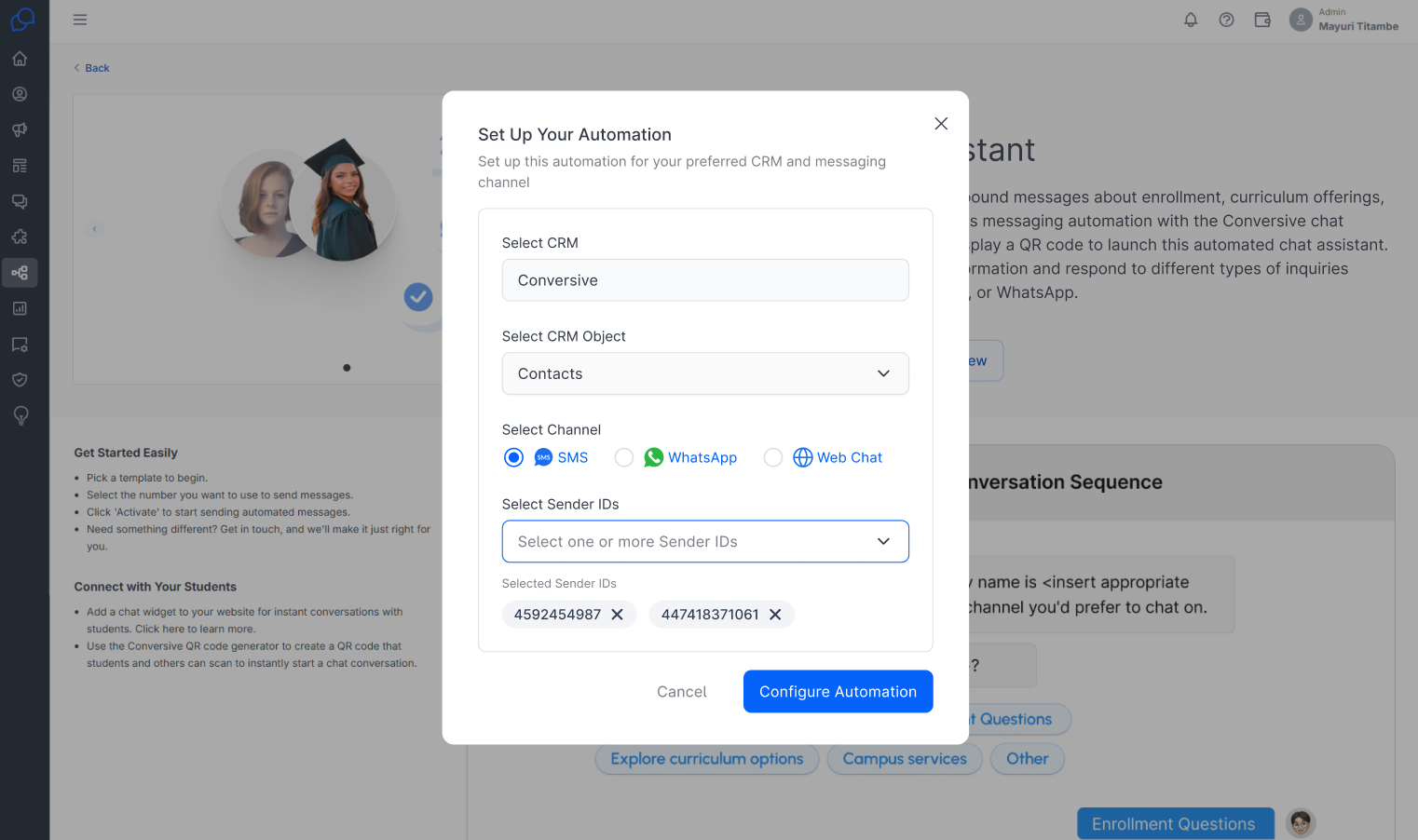
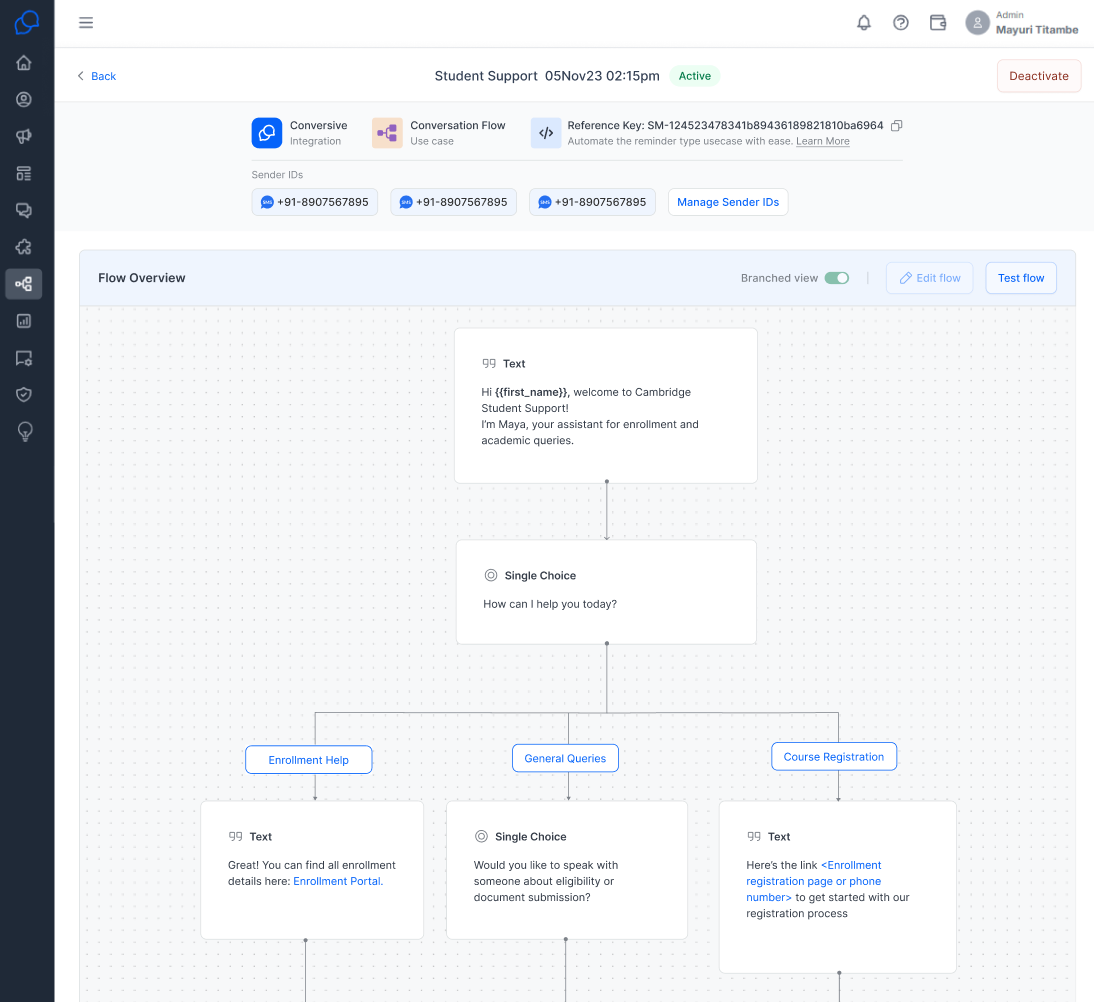
Conversive strengthened journey automation so teams can design, review, and deploy complex flows with more clarity and less operational risk.
Conversation Flow Builder fully rolled out with drag-and-drop creation directly inside the Automation Library.
Tree/branched view as the default, with previews, inline edits, and error detection to speed up reviews and reduce mistakes.
Expanded node message limits (300 → 1000) so teams aren’t constrained by artificial caps as workflows grow.
Delete unused draft automations to keep the library clean while protecting trusted templates and live flows.
Ops teams don’t need more data—they need the right view, fast, and a reliable roll-up across teams and locations. These updates make analytics easier to access, easier to trust, and easier to act on.
Agents, leads, and ops teams land on the views that match their job so performance tracking doesn’t require hunting or permissions gymnastics.
Dashboards are clearly labeled and separated (Campaign Dashboard vs Agent Dashboard) to reduce confusion and improve accountability.
Master Account leaders get a dedicated Analytics entry to view cross-location performance in one place—compare branches, spot gaps, and prioritize enablement.
Reduced dependence on exports and multi-account logins for common operational questions.
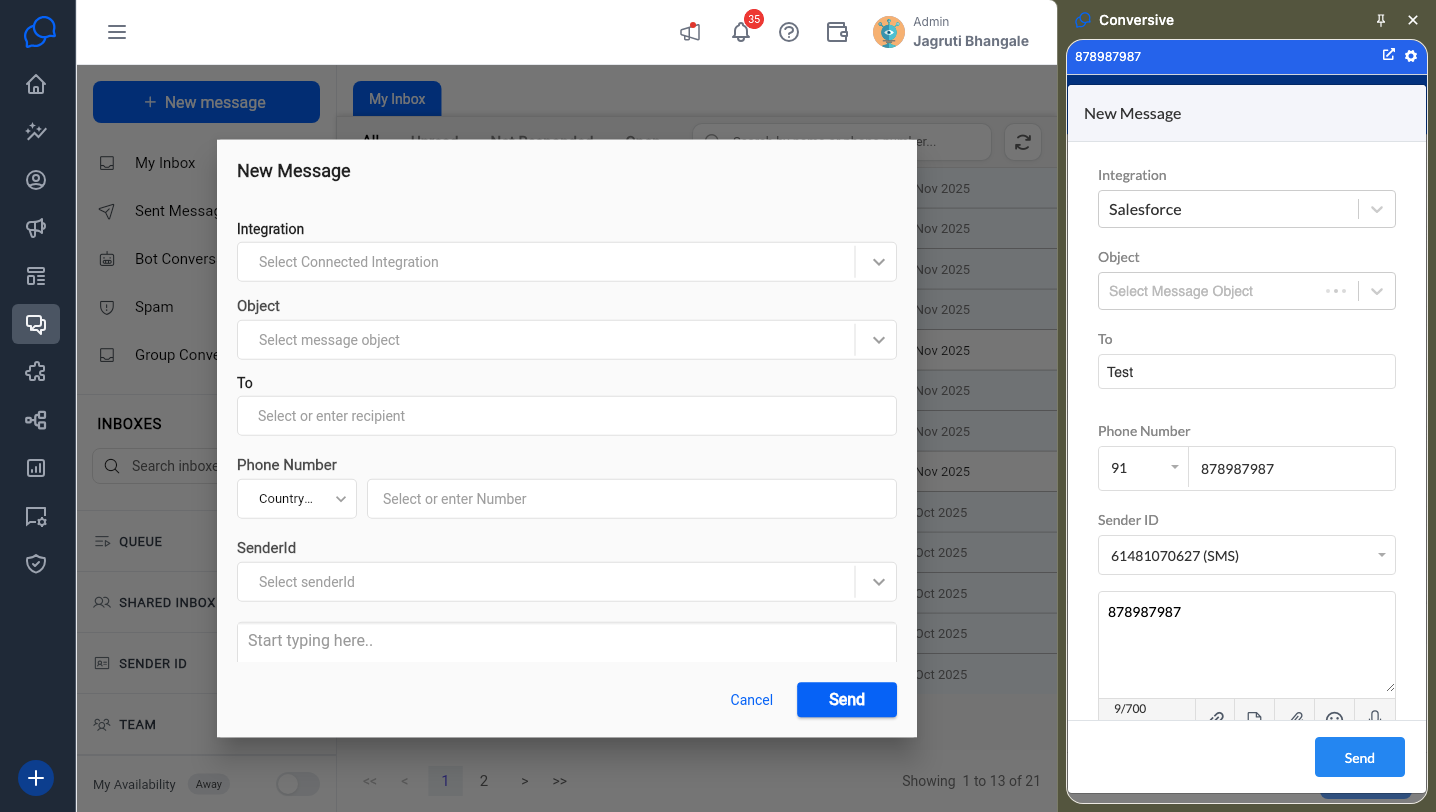
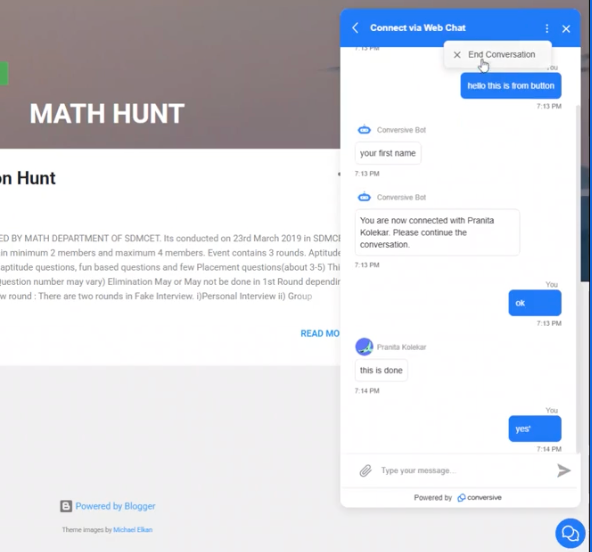
Conversive strengthened web experiences so teams can handle webchat faster and govern it more cleanly without operational noise.
The Conversive Chrome Extension helps teams manage responses faster—reducing context switching while keeping workflows within reach.
Show or hide file uploads based on brand and compliance rules, so the web channel matches your policy posture.
Visitors can end webchat sessions (controlled rollout), improving conversation status accuracy and reducing unintended follow-ups.
Conversive expanded CRM-native workflows and connected app integrations—keeping conversations in the system of record, reducing tab-switching, and improving sync, triggers, and data flow across your GTM stack with enterprise-grade governance.
Convert website chats into Creatio contacts/cases automatically, keep replies inside Creatio with the right context and attachments, and control access with centralized licensing and audit logs.
Send automated, personalized SMS/WhatsApp based on ActiveCampaign activity—and view the full conversation history right on the contact timeline so handoffs stay seamless.
Trigger SMS when calls are missed or completed—send immediate follow-ups, recaps, or next steps using ready-to-use templates, so outreach stays timely and consistent without manual effort.
Respond from an embedded inbox inside Dynamics, with secure token-based access via Microsoft Entra ID.
Use fields from standard + custom objects in templates, campaigns, and automations—with smarter resolution of linked details when contact fields are missing.
Conversations are becoming the primary interface between businesses and customers.
In 2026, Conversive will continue investing in deeper orchestration across voice and digital channels, smarter prioritization driven by intent and context, stronger AI assistance for agents and supervisors, and more proactive governance controls.


Subscribe to receive the latest blog posts to your inbox every week.

We respond with 10 support messages to every support email – our customers love it.

Greg Royse
CEO, Tidy

“We were missing 58% of incoming calls. Now we answer 80% + of all incoming enquiries.”

Ajaz Elahi
Director, Sinspeed

“This product is AMAZING and is changing my business. It reaches clients 100x better than email.”

Michael Goldenberg
President, DebtCare Canada

“Conversational Messaging capabilities of SMS-Magic are among the best in the industry and offers security and reliability for SMBs to Large Enterprise Customers.”

Stan Petit
API Senior Partner Sales Manager, Vonage

SMS-Magic is a simple, powerful, SMS solution for Salesforce that has become integral to our day-to-day operations.

Martin McCauley
Director of Patient Services, BioSpine Institute

“If our loan applicants did not receive timely SMS-Magic text messages, we wouldn’t be funding loans & we would lose customers.”

David Ross
Head of IT, Upstart

“Having full-context conversation history from SMS-Magic helps us understand what has been sent to the customer across different departments and if those messages have been opened.”

Camilla Mills
Marketing Campaigns Manager, DaySmart

We average a 59% response rate from clients to text message surveys.

Craig Garber
CFO, LifeMoves

.png)